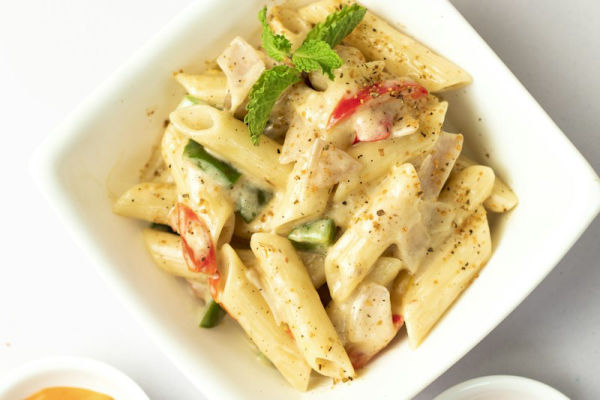
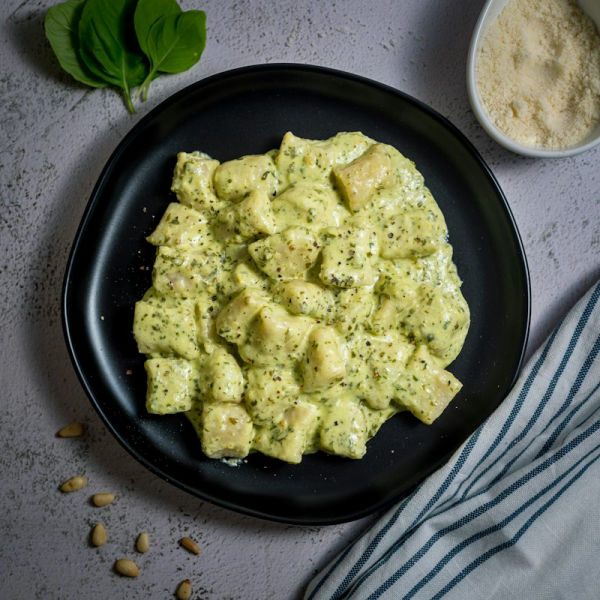
Singapore Laksa vs Pasta (Cooked)
Side-by-side nutritional swap analysis for standard 100g reference portions.
💡 Swap Takeaway & Calorie Ratio
Eating 100g of Singapore Laksa (135 kcal) provides the same calorie intake as eating 85g of Pasta (Cooked). Singapore Laksa is 23 kcal lighter per 100g than Pasta (Cooked).
🔬 Comparative Science: Singapore Laksa vs. Pasta (Cooked)
1. Caloric Density & Satiety Volume Mechanics
Comparing 100g of Singapore Laksa (135 kcal) to 100g of Pasta (Cooked) (158 kcal) reveals a caloric spread of 23 kcal per 100g. Swapping higher-density Pasta (Cooked) for lower-density Singapore Laksa allows you to increase physical meal volume by 17% for the exact same calorie expenditure, activating gastric mechanoreceptors and stimulating fullness hormones peptide YY (PYY) and GLP-1.
2. Macronutrient & Protein Quality Trade-offs
Singapore Laksa delivers 5.2g protein, 11.2g carbs, and 7.8g fat, whereas Pasta (Cooked) supplies 5.8g protein, 30.9g carbs, and 0.9g fat.Pasta (Cooked) delivers 0.6g more protein per 100g, making it the more anabolic choice for tissue repair and nitrogen retention.
3. 5-Pillar Biohack & Longevity Score Comparison
Singapore Laksa leads in cognitive support: Rich coconut medium-chain triglycerides (MCTs) yield rapid ketone precursors, while turmeric curcumins combat neuro-oxidative stress.
Pasta (Cooked) leads in muscle recovery: Rich in easily accessible carbohydrates (31g per 100g) ideal for post-workout glycogen synthesis and high-intensity athletic energy replenishment.
Singapore Laksa leads in digestive motility: Lemongrass, galangal, and laksa leaves (Polygonum odoratum) exert potent antimicrobial and prebiotic actions across the gastrointestinal tract.
Singapore Laksa leads in cardiovascular support: While rich in saturated lauric acid from coconut milk, high potassium and marine taurine help offset sodium and support myocardial rhythm.
Singapore Laksa leads in metabolic speed: Capsaicin from sambal stimulates TRPV1 thermoreceptors, temporarily elevating postprandial basal metabolic rate and lipolysis.
4. Which Food Should You Choose? Decision Matrix
- For Fat Loss & Caloric Deficit: Choose Singapore Laksa (135 kcal/100g) to maximize plate volume and extend satiety without exceeding caloric allotments.
- For Muscle Growth & Strength: Choose Pasta (Cooked) (5.8g protein/100g) to hit your essential amino acid targets efficiently.
- For Keto or Low-Carb Diets: Choose Singapore Laksa (11.2g carbs/100g) to maintain low baseline insulin secretion.
- For Longevity & Cellular Antioxidants: Review the higher 5-pillar biohack score above to target your personal longevity priority (mitochondrial health, cognitive resilience, or endothelial nitric oxide).
5. Practical Culinary Substitution Guidelines
When substituting Pasta (Cooked) for Singapore Laksa in meal prep, serve exactly 85 grams of Pasta (Cooked) to match the energy yield of 100g of Singapore Laksa. Consider moisture, texture, and sodium content when balancing recipes.
📊 Nutritional Matrix (Per 100g Reference Portion)
| Nutritional Metric | Singapore Laksa | Pasta (Cooked) |
|---|---|---|
| Calories (kcal) | 135 kcal | 158 kcal |
| Protein (g) | 5.2 g | 5.8 g |
| Total Fat (g) | 7.8 g | 0.9 g |
| Carbohydrates (g) | 11.2 g | 30.9 g |
| Primary Category | Proteins | Carbohydrates |
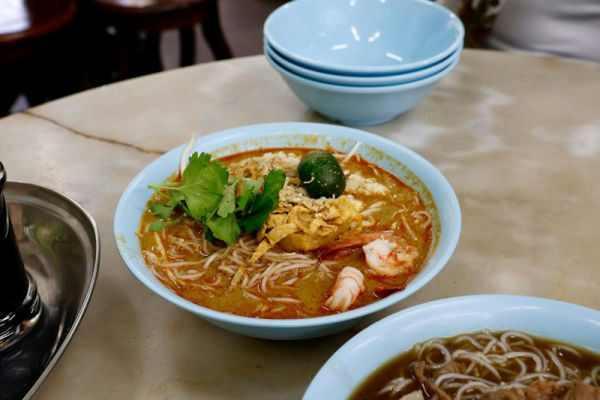
Singapore Laksa
🧬 Key Micronutrients
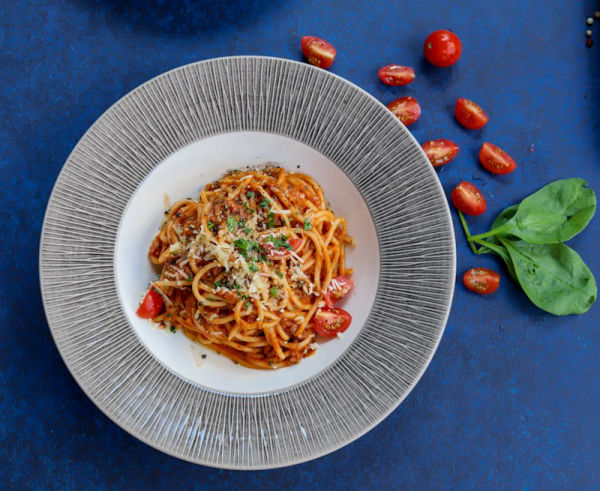
Pasta (Cooked)
🧬 Key Micronutrients
❓ Frequently Asked Questions (Singapore Laksa vs Pasta (Cooked))
How much Pasta (Cooked) equals 100g of Singapore Laksa?
Exactly 85 grams of Pasta (Cooked) equals the total caloric value of 100g of Singapore Laksa (135 kcal).
Which food is lower in calories: Singapore Laksa or Pasta (Cooked)?
Singapore Laksa is lower in calories with 135 kcal per 100g compared to Pasta (Cooked) with 158 kcal per 100g.
Which has more protein: Singapore Laksa or Pasta (Cooked)?
Pasta (Cooked) provides more protein per 100g (5.8g vs 5.2g).
🔄 Related Food Swaps & Macro Comparisons
Explore related calorie and macro comparisons for Singapore Laksa and Pasta (Cooked):