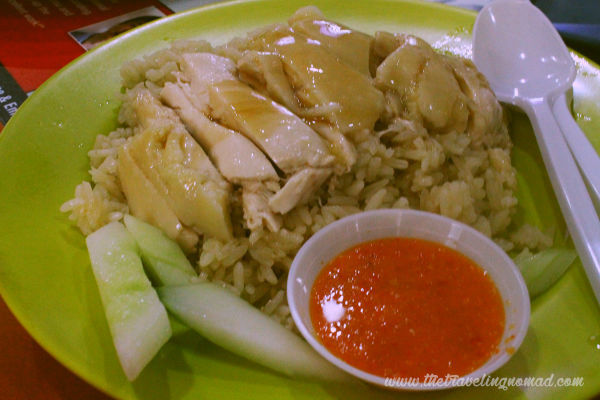
Risotto (Cooked) vs Cooked White Rice
Side-by-side nutritional swap analysis for standard 100g reference portions.
💡 Swap Takeaway & Calorie Ratio
Eating 100g of Risotto (Cooked) (130 kcal) provides the same calorie intake as eating 100g of Cooked White Rice. Both foods have identical calorie densities.
🔬 Comparative Science: Risotto (Cooked) vs. Cooked White Rice
1. Caloric Density & Satiety Volume Mechanics
Comparing 100g of Risotto (Cooked) (130 kcal) to 100g of Cooked White Rice (130 kcal) reveals a caloric spread of 0 kcal per 100g. Swapping higher-density Cooked White Rice for lower-density Risotto (Cooked) allows you to increase physical meal volume by 0% for the exact same calorie expenditure, activating gastric mechanoreceptors and stimulating fullness hormones peptide YY (PYY) and GLP-1.
2. Macronutrient & Protein Quality Trade-offs
Risotto (Cooked) delivers 2.7g protein, 22.5g carbs, and 3.2g fat, whereas Cooked White Rice supplies 2.7g protein, 28.2g carbs, and 0.3g fat.Risotto (Cooked) provides 0g more protein per 100g, yielding a higher thermic effect of food (TEF) and enhanced branched-chain amino acids for muscle protein synthesis.
3. 5-Pillar Biohack & Longevity Score Comparison
Risotto (Cooked) leads in cognitive support: High-amylose arborio starch provides rapid cerebral energy; pairs synergistically with umami glutamates from broths and aged cheeses.
Risotto (Cooked) leads in muscle recovery: Readily digestible amylopectin matrix facilitates efficient post-exercise glycogen replenishment and muscular recovery.
Risotto (Cooked) leads in digestive motility: Gentle on sensitive digestive tracts with very low fermentable FODMAP residues when prepared with simple bone or vegetable stocks.
Risotto (Cooked) leads in cardiovascular support: Virtually cholesterol-free base whose lipid impact is determined by heart-healthy olive oil additions rather than trans fats.
Cooked White Rice leads in metabolic speed: High glycemic index causes rapid glucose absorption; best paired with protein.
4. Which Food Should You Choose? Decision Matrix
- For Fat Loss & Caloric Deficit: Choose Risotto (Cooked) (130 kcal/100g) to maximize plate volume and extend satiety without exceeding caloric allotments.
- For Muscle Growth & Strength: Choose Risotto (Cooked) (2.7g protein/100g) to hit your essential amino acid targets efficiently.
- For Keto or Low-Carb Diets: Choose Risotto (Cooked) (22.5g carbs/100g) to maintain low baseline insulin secretion.
- For Longevity & Cellular Antioxidants: Review the higher 5-pillar biohack score above to target your personal longevity priority (mitochondrial health, cognitive resilience, or endothelial nitric oxide).
5. Practical Culinary Substitution Guidelines
When substituting Cooked White Rice for Risotto (Cooked) in meal prep, serve exactly 100 grams of Cooked White Rice to match the energy yield of 100g of Risotto (Cooked). Consider moisture, texture, and sodium content when balancing recipes.
📊 Nutritional Matrix (Per 100g Reference Portion)
| Nutritional Metric | Risotto (Cooked) | Cooked White Rice |
|---|---|---|
| Calories (kcal) | 130 kcal | 130 kcal |
| Protein (g) | 2.7 g | 2.7 g |
| Total Fat (g) | 3.2 g | 0.3 g |
| Carbohydrates (g) | 22.5 g | 28.2 g |
| Primary Category | Carbohydrates | Carbohydrates |
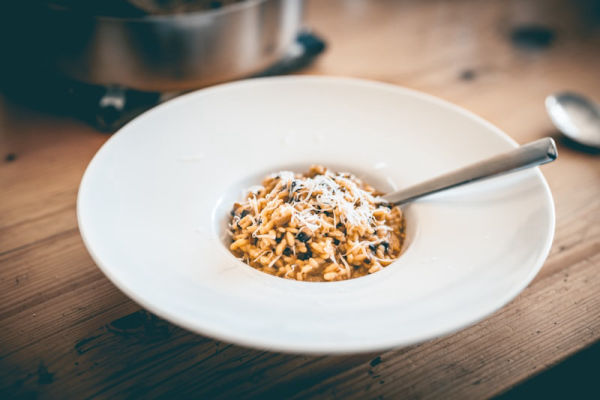
Risotto (Cooked)
🧬 Key Micronutrients

Cooked White Rice
🧬 Key Micronutrients
❓ Frequently Asked Questions (Risotto (Cooked) vs Cooked White Rice)
How much Cooked White Rice equals 100g of Risotto (Cooked)?
Exactly 100 grams of Cooked White Rice equals the total caloric value of 100g of Risotto (Cooked) (130 kcal).
Which food is lower in calories: Risotto (Cooked) or Cooked White Rice?
Risotto (Cooked) is lower in calories with 130 kcal per 100g compared to Cooked White Rice with 130 kcal per 100g.
Which has more protein: Risotto (Cooked) or Cooked White Rice?
Risotto (Cooked) provides more protein per 100g (2.7g vs 2.7g).
🔄 Related Food Swaps & Macro Comparisons
Explore related calorie and macro comparisons for Risotto (Cooked) and Cooked White Rice: